

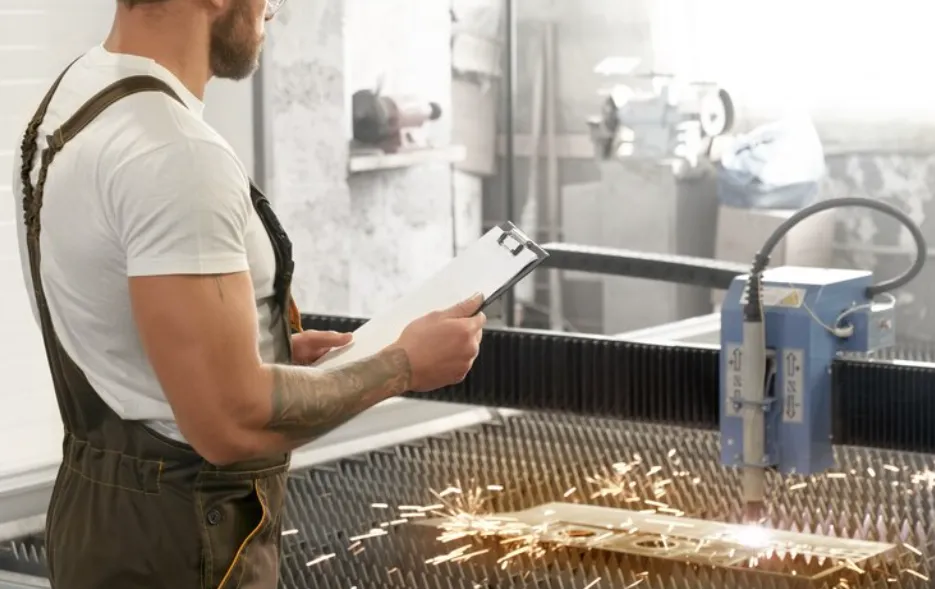
Choosing the right equipment for your workshop or manufacturing unit is a major decision, especially when it comes to a laser metal cutting machine. This type of machine plays a key role in improving production speed, accuracy, and overall efficiency. However, with many options available in the market, selecting the right one can feel confusing. Understanding your business needs and machine capabilities is the first step toward making a smart investment.
Understand Your Business Requirements
Before purchasing a laser metal cutting machine, it is important to clearly define what your business needs. Different industries require different cutting capacities, material types, and production speeds. For example, a small workshop may need a compact machine for light work, while a large manufacturing unit may require a high-power system for continuous industrial production.
You should also consider the types of metals you will be working with. Some machines are better suited for stainless steel, while others handle aluminum, brass, or carbon steel more efficiently. Matching your workload with machine capability ensures better performance and longer machine life.
Consider Laser Power and Performance
One of the most important factors in choosing a laser metal cutting machine is its power level. Laser power determines how thick and fast the machine can cut through metal sheets. Higher power machines are suitable for heavy-duty industrial tasks, while lower power machines are ideal for precision work and thin materials.
Performance is not only about power but also about cutting speed and stability. A good machine should maintain consistent quality even during long production runs. This helps reduce waste and improves productivity in the long term.
Evaluate Cutting Accuracy and Precision
Accuracy is a key advantage of using a laser metal cutting machine. Businesses that require detailed designs or complex shapes must ensure the machine delivers high precision. Even small errors can affect the final product quality, especially in industries like automotive, electronics, or metal fabrication.
Look for machines that offer stable beam control and advanced software support. These features help maintain clean edges and reduce the need for additional finishing work, saving both time and cost.
Check Software and Automation Features
Modern laser metal cutting machines come with advanced software systems that make operation easier and more efficient. These systems allow operators to design, adjust, and control cutting patterns with high accuracy.
Automation features are also important, especially for businesses aiming to scale production. Automated loading, unloading, and cutting functions can significantly reduce manual labor and increase output. A machine with user-friendly software also reduces training time for new operators.
Consider Maintenance and Operating Costs
While the initial price of a laser metal cutting machine is important, long-term operating costs should not be ignored. Maintenance requirements, spare part availability, and energy consumption all affect the total cost of ownership.
Choose a machine that is known for durability and has easily available technical support. Regular maintenance should be simple and not require excessive downtime. Energy-efficient models may cost more initially but can save significant money over time.
Evaluate Supplier Support and Service
The quality of after-sales support is just as important as the machine itself. A reliable supplier will offer installation support, training, and quick maintenance services when needed. This ensures your laser metal cutting machine continues to run smoothly without long interruptions.
It is always better to choose a supplier with a strong reputation and good customer service record. This gives you peace of mind and protects your investment.
Conclusion
Selecting the right laser metal cutting machine is a crucial step for any business involved in metal processing or manufacturing. By carefully evaluating your production needs, machine power, precision, software features, and long-term costs, you can make a well-informed decision. A good machine not only improves efficiency but also enhances product quality and supports business growth over time.